
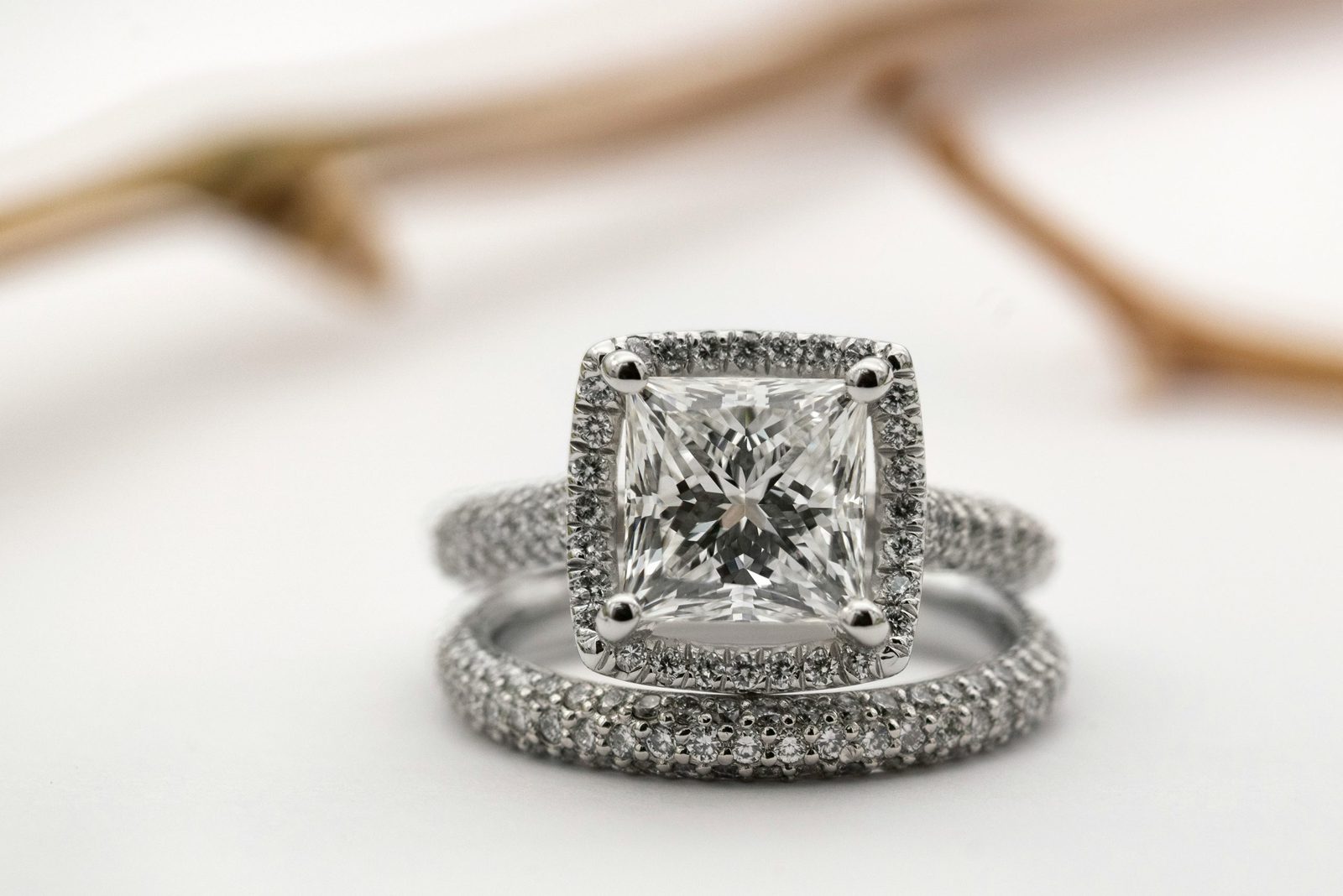
Two contenders are vying for the spotlight: lab-grown diamonds and natural diamonds. As buyers weigh ethics, environment and price, here’s how the two really differ — in origin, character and market value.
The genesis: how diamonds are made
Natural diamonds
Formed deep within the Earth’s mantle under immense pressure and temperature over millions — even billions — of years, then carried to the surface by volcanic eruptions and mined from kimberlite pipes or alluvial deposits.
Lab-grown diamonds
Created in controlled environments: High Pressure High Temperature (HPHT) mimics natural formation, while Chemical Vapor Deposition (CVD) builds the crystal layer by layer from carbon atoms.
Quality and characteristics
Natural diamonds are prized for uniqueness and rarity, each graded on the traditional 4Cs — Colour, Clarity, Cut, Carat weight. Lab-grown diamonds are chemically and optically the same material and are graded the same way; the difference lives in origin and rarity, not sparkle.
Resale reality: the two markets behave very differently. Natural stones hold collectible and resale value; lab-grown prices have fallen steadily as production scales. If you’re selling, that origin line matters more than the sparkle.
Not sure what your diamond is? Bring it in — we assess stones and settings separately and explain exactly what the offer covers.