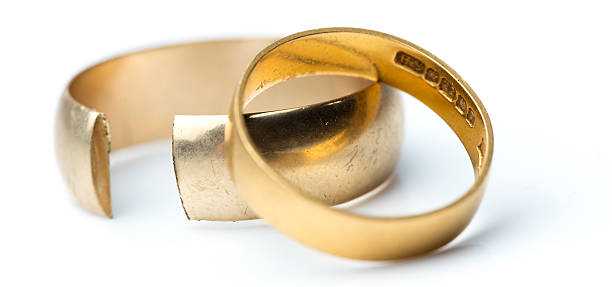
Most precious-metal jewellery carries hallmarks — a written sign of purity and, ultimately, of value. Different regions stamp differently, which can be confusing; but once you learn to read hallmarks, identifying your jewellery becomes a breeze.
Common gold hallmarks
Gold is the most stamped of the precious metals. In some countries (the U.S., the UK) hallmarks are mandatory for sale; in others (China, Italy) voluntary — but most authentic gold is stamped for the added trust it earns.
| Purity stamp | Gold percentage | Stamp variants |
|---|---|---|
| 375 | 37.5% | 9k, 9 Karat, 9KP |
| 416 | 41.6% | 10k, 10 Karat, 10KP |
| 582–585 | 58.3% | 14k, 14 Karat, 14KP |
| 750 | 75.0% | 18k, 18 Karat, 18KP |
| 916 | 91.6% | 22k, 22 Karat, 22KP |
| 999 | 99.9% | 24k, 24 Karat, 24KP |
The stamps that should slow you down
Marks like “FILLED”, “PLATED”, “GP”, “GF” or “GEP” mean a gold layer over another metal — with a very different value from solid gold. When buying, keep an eye out.
Stamp ≠ verdict: hallmarks are claims, not proof. A buyer should still test the metal — which is exactly what we do, in front of you, free of charge.
Found a stamp you can’t place? Bring the piece in — identification and testing cost nothing.