With silver riding a hedge-fund-fuelled craze to new highs, sellers and buyers alike are asking the same question: is what I have real? First, define “real.”
Types of silver
A silver item’s value is set by purity. The three common grades: 999 pure (99.9%), 925 sterling (92.5%) and 800 (80%). Below 800 generally isn’t accepted and holds little value; the higher the content, the higher the worth.
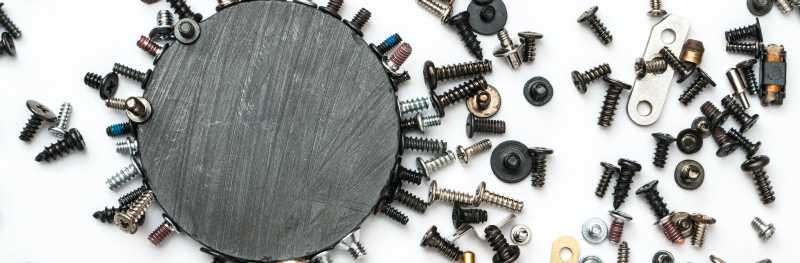
The magnet test
The easiest home check: magnetic items contain another metal. Non-magnetic isn’t a guarantee of solid silver — but it’s a good sign you may have something of value.
Check for stamps
All solid silver should be marked. Look (with a loupe if needed) for “800”, “925”, “999”, “STERLING”, “SILVER” or “COIN”. Warning marks like “PLATED” or “EP” mean a thin silver skin over base metal.
Home tests are clues, not verdicts — the definitive answer comes from proper testing. We do it in front of you, no charge, no obligation.
Bring your silver in — we test purity and price it on the live market.